Visakhapatnam · since 2014 · ISO 9001:2015
We make what the original manufacturer stopped making.
Engineering services for defence, marine, aviation, power and civil work: indigenisation, reverse engineering, overhaul and installation, from Visakhapatnam and across India.
For exampletorpedo handling trolleys
- ISO 9001:2015
- TSSPDCL / GENCO registered
- Indian Navy indigenisation
95
Projects delivered
15
Organisations served
50
Qualified staff
12
Years in operation
What we do
Four verticals
Each one started with a single contract and has run continuously since.
- Marine repair and maintenanceHull maintenance, equipment installation, propulsion and hydraulic overhaul, and complete shaft line work on ships and tugs.Since 2015
- Defence contract worksIndigenisation and custom fabrication through reverse engineering, special electrical equipment, and aviation lubricant supply.Since 2015
- Electrical power distributionRegistered TSSPDCL vendor for 11 KV transformer installation and distribution, HT and LT cabling, and combustion control automation.Since 2018
- Civil constructionTurnkey projects for the Andhra Pradesh government and industrial building construction for pharmaceutical, steel and defence clients.Since 2014
Reverse engineering
The drawing is gone. The part still has to fit.
Most engineering work starts from a drawing. This starts from the item, because the original manufacturer withdrew support and the drawing went with it. A workshop that needs a drawing has to turn that job down; most of the indigenisation work here is that job.
An item, and no drawing
Handling equipment and machinery of this kind is built in small numbers and kept in service for decades, long enough to outlive the firm that built it and the paperwork that came with it.
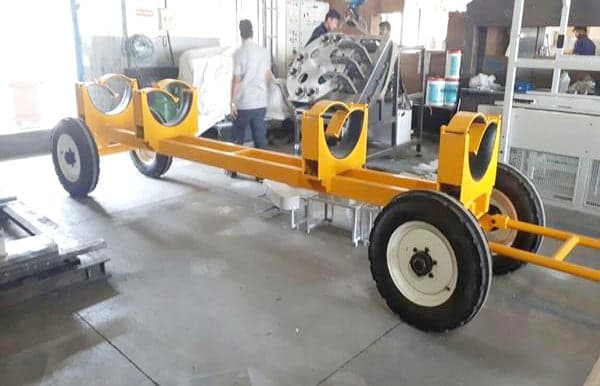
Measure what exists
Every feature of the item is measured and its geometry recovered. This is the step that decides whether the rest is engineering or guesswork.
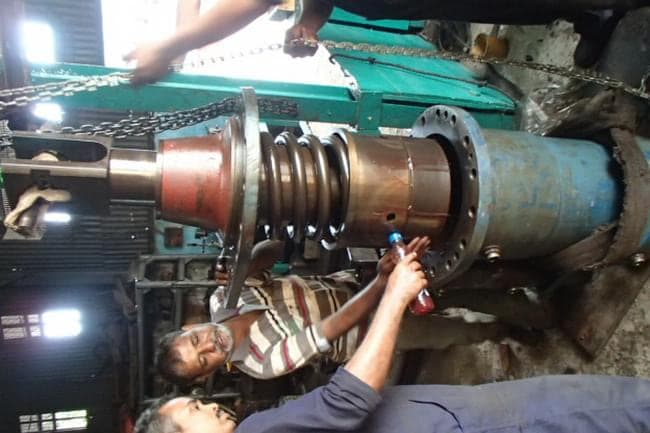
Separate what is functional
A worn part carries dimensions that matter and dimensions that do not. Which is which is decided before anything is cut. Copy a worn item faithfully and you reproduce its wear.
No photograph. Nothing visible happens at this stage.
Draw it back up
The item goes back onto a drawing, so that what gets made is a specification rather than a copy, and the next one can be made from the same sheet.
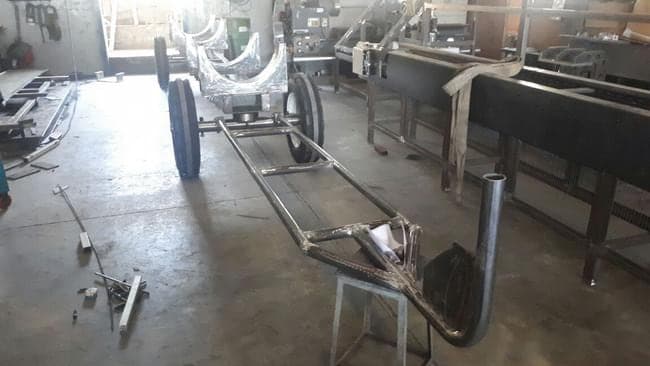
Make it, fit it, hand it over
Fabricated to the recovered geometry, finished to the specified scheme, and handed over to the establishment's schedule.
Selected work
Recent projects
Photographed on site and in the workshop.
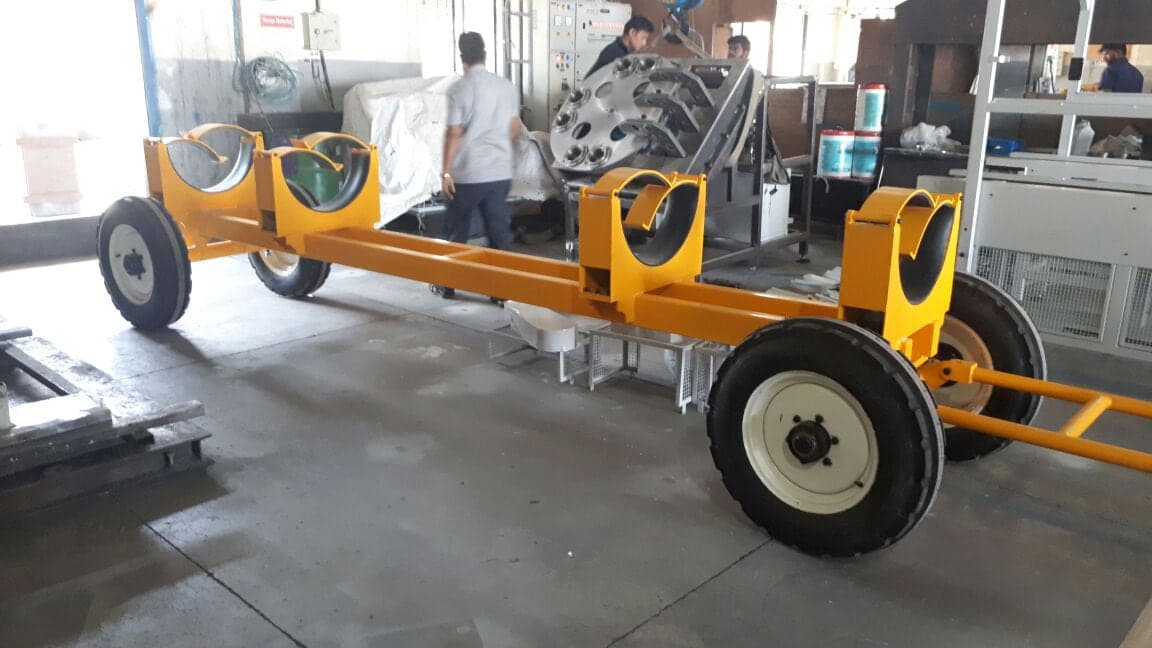
Defence · Indigenisation
Torpedo handling trolley
Handling trolleys built by reverse engineering, for equipment the original manufacturer no longer supports.
Read the case study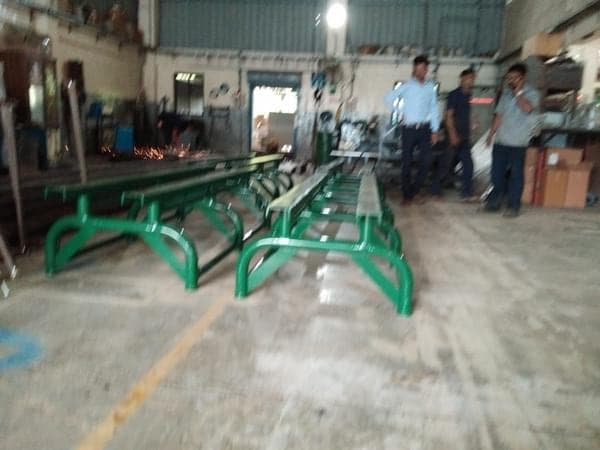
Defence · Custom fabrication
Missile handling table
Handling tables fabricated to naval requirement, built in the workshop and finished to the specified scheme.
Read the case study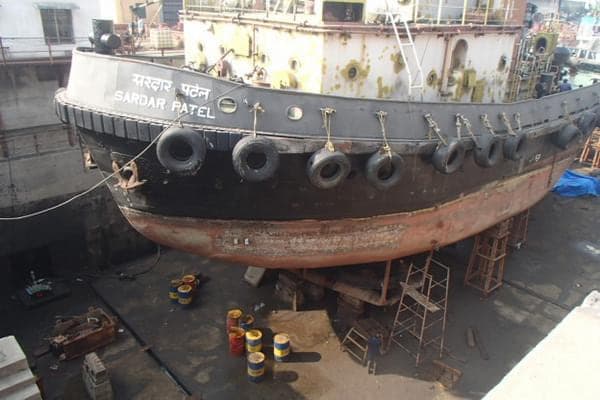
Marine · System overhaul
Tug propulsion and hydraulic overhaul
Complete shaft line and hydraulic overhaul carried out during a major shutdown, including Voith propulsion systems.
Read the case study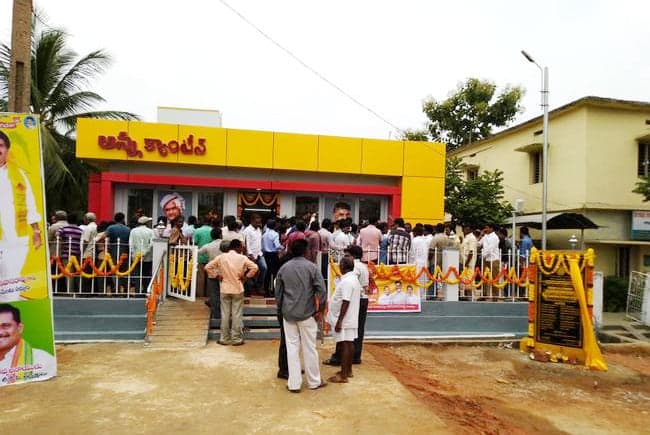
Civil · Turnkey
Andhra Pradesh government turnkey project
A turnkey civil project executed for the state government on behalf of Tata Infrastructure, inside a two-month window.
Read the case study
How a job runs
Seven steps, and what changes hands at each
Where something changes hands, it is named, so there is nothing to guess about what you are holding and when.
You send what you have
A drawing, a photograph of the part, or a description of the fault. Any one of the three is enough to start. Requirements here arrive that way far more often than as a product order.
Changes handsDrawing, photograph or fault reportWe work out whether it can be made
If there is no manufacturer drawing, that starts with the item itself, by the sequence above. If there is a drawing, it starts with whether the tolerances on it are ones this workshop can hold.
We come back with feasibility, method and schedule
Three answers, in writing: whether it can be done, how it will be done, and the date it can be held to. Nothing is cut before that is agreed.
Changes handsFeasibility, method, scheduleWe make it
Machining and fabrication in the workshop, to the recovered geometry or to the customer's own drawing and tolerances.
We check it, then finish it
Dimensional check against the drawing, then the protective or paint scheme the contract specifies, applied to ISO standards.
Checked at this step
- Material checked in against the requirement
- Dimensional check against the drawing
- Finish applied to the specified scheme
- Final inspection before dispatch
We deliver it, and fit it where the contract says so
Handed over to the establishment's or the yard's schedule. Where installation is in scope, technicians trained on the system concerned do the fitting.
Changes handsThe finished item, on the yard's windowWe stay on it after handover
Annual maintenance and service support, through sales and service engineers spread across the country rather than routed back through Visakhapatnam.
Sectors
Where the work goes
Six of them, each entered through a single contract and each still running. Where a start year is on record, it is the year the first contract landed.
Defence
Since 2015Indigenisation and custom fabrication for naval establishments and the Ordnance Factory, through reverse engineering.
Marine
Since 2015Hull maintenance, equipment installation, and propulsion, hydraulic and shaft-line overhaul on ships and tugs.
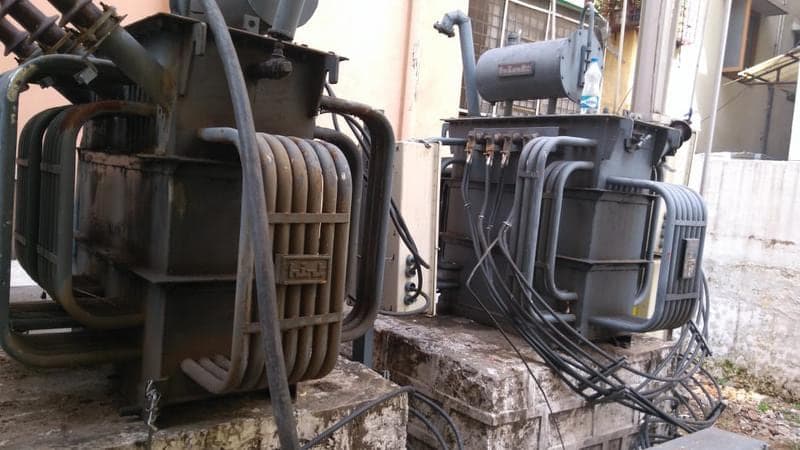
Power
Since 2018Registered vendor to the Telangana utility for 11 KV transformer installation, distribution and HT/LT cabling.
Civil
Since 2014Turnkey civil work for state government, steel plants and pharmaceutical plants. Where the firm started.
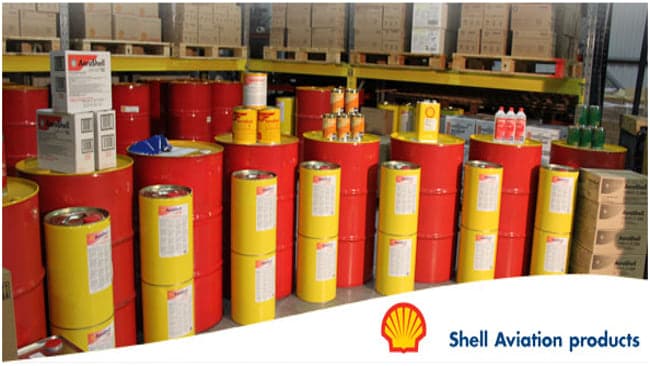
Aviation
Since 2017Ground equipment maintenance, and the manufacture and supply of aviation oils and lubricants.
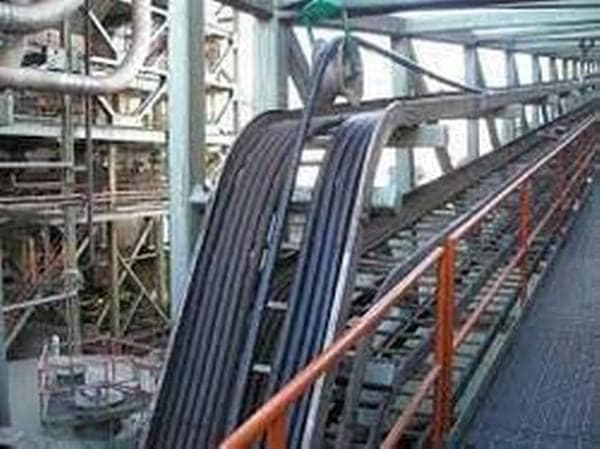
Heavy industry
Combustion control system installation in steel plants, and civil works across pharmaceutical and shipyard sites.
New division
Leo Enterprises Solar
Rooftop solar, installed by the firm that does the wiring
A rooftop system is a structural job, an electrical job and a utility paperwork job wearing a panel. This firm has been a registered vendor for 11 KV installation and distribution since 2018, and has been building industrial structures since 2014.
How the installation runsIndustrial rooftop
Commercial rooftop
Residential rooftop
Worked with
Organisations we deliver for
Indigenisation of equipment and spares, ship maintenance, custom fabrication, and combustion control systems at naval establishments.
Indian Navy
Marine repair and equipment work on service vessels.
Indian Coast Guard
Engineering support on new build and refit programmes.
Goa Shipyard Limited

Equipment supply and maintenance support.
ONGC
Registered vendor for 11 KV transformer installation and power distribution in Telangana.
TSSPDCL / GENCO
Combustion control system installation.
TATA Steel

Tell us what needs making, or what needs fixing.
Send the requirement and we will come back on feasibility, method and schedule. If it is urgent, call. The number reaches the office directly.