Defence contract works
Indigenisation for naval establishments since 2015
Indigenisation and custom fabrication through reverse engineering, special electrical equipment, and aviation lubricant supply.
- RecognitionAppreciation for timely completion of indigenisation projects · Indian Navy
Services
- Equipment and spare parts produced against a stated requirement
- Work carried out under the Make in India programme
- Delivered to Indian Naval establishments since 2015
- Reverse engineering where no OEM support remains
- Build from a user requirement where no drawing exists
- Appreciated by the Indian Navy for completing indigenisation work on time
- Airport radar installations
- Workshop facilities for aircraft testing
- Power distribution at a range of capacities
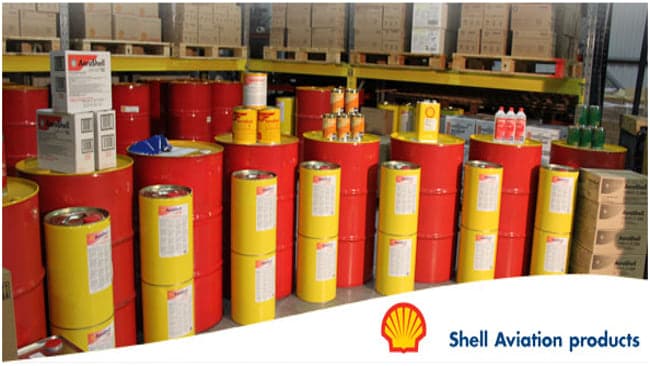
- Aircraft piston engine oils
- Turbine engine oils
- Greases and hydraulic fluids
- Special lubricants and silicone sealants
Systems and brands
- Shell
- 3M
- WIDIA
- Molykote
- Dow Corning
- Houghton
- Ref
- defence-contract-works
- Sector
- defence
- Operating since
- 2015
- Services
- 4
How the work runs
The stages specific to this discipline. The firm-wide sequence, from enquiry through to support after handover, is on the home page.
The item arrives, usually without a drawing
Handling equipment and machinery of this kind is built in small numbers and stays in service for decades, long enough to outlive both the firm that built it and its paperwork.
Measure and recover the geometry
Every feature is measured and the geometry recovered. This is the step that decides whether everything after it is engineering or guesswork.
Separate functional dimensions from wear
A worn part carries dimensions that matter and dimensions that do not. Which is which is settled before anything is cut, because a faithful copy of a worn item reproduces its wear.
Draw it back up
The item goes back onto a drawing, so what gets manufactured is a specification. The second unit is then made from the same sheet rather than from the first unit.
Fabricate and finish
Machining and fabrication to the recovered geometry, then the protective scheme the contract specifies.
Inspect, deliver, fit to the establishment's schedule
Dimensional check against the drawing, final inspection, then handover on the establishment's window, with fitting where installation is in scope.
Technical expertise
- Indigenisation of imported equipment and spares through reverse engineering
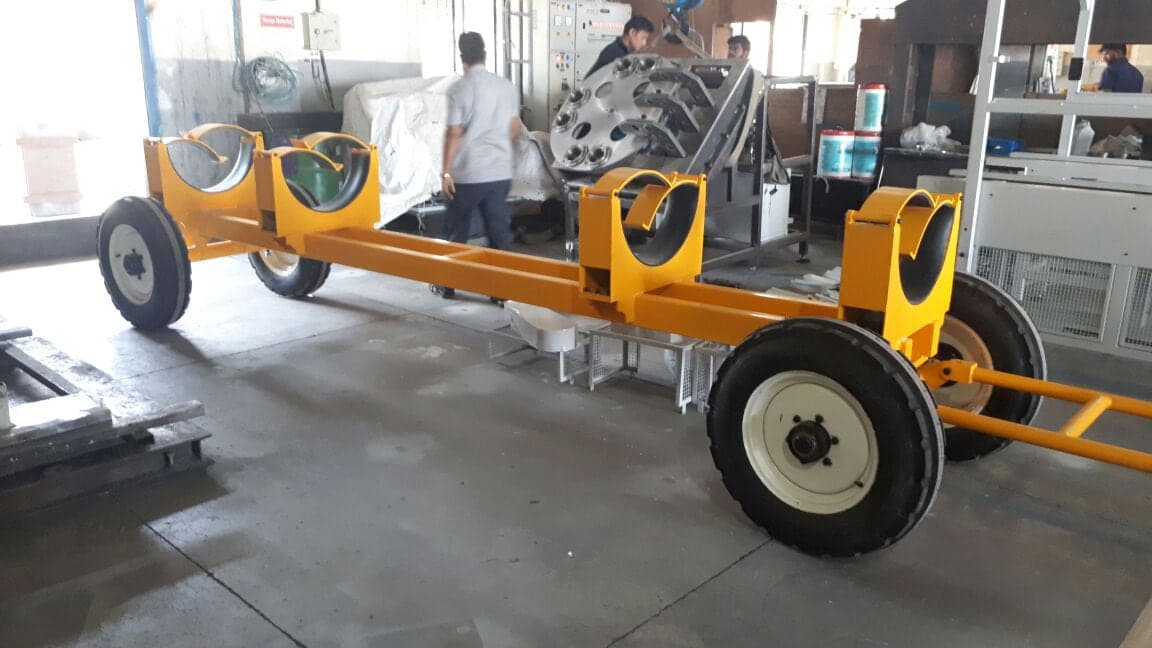
- Custom fabrication of handling equipment for naval establishments
- Special electrical equipment for defence applications
- Manufacture and supply of aviation oils and lubricants
- Ground equipment maintenance
- Documentation of recovered geometry as a reusable drawing
What you get
- A supply line that no longer depends on an importer
- Once the geometry is recovered and drawn, the part is made here. The lead time stops being a shipping and clearance question.
- The second unit is cheaper and faster than the first
- The drawing is the deliverable that outlives the order. Repeat requirements are quoted against a specification rather than re-engineered.
- A contractor the establishment has already commended
- The Indian Navy has issued an appreciation for indigenisation projects completed to schedule. That is the record, and it is stated as a commendation rather than dressed up as an empanelment.
From the work
Delivered for
Indian Navy
Indigenisation of equipment and spares, ship maintenance, custom fabrication, and combustion control systems at naval establishments.
Indian Coast Guard
Marine repair and equipment work on service vessels.
Ordnance Factory
Contract manufacture since 2016.
Questions
- Do you take on a single part, or is there a minimum order?
- A single part is normal work here. Most indigenisation requirements arrive as one item that is no longer available, and the drawing produced from it is what makes the second one straightforward.
- What do you need from us to start a reverse-engineering job?
- The part itself, or photographs with a scale in frame. If a drawing or a specification exists, that shortens the job considerably, but it is not required. Requirements arrive without one more often than with one.
- Who owns the drawing you produce?
- The drawing is produced for the requirement it was commissioned under, and how it is held afterwards is set in the contract. Establishments that want the drawing as a deliverable should say so at enquiry stage, and it is priced that way.